We Have Over 10+ Years of Experiences
Mak legal
A-13, Alankrit CGHS,
Vishwas Nagar, Anand Vihar,
Delhi, 110032
+91 78790 31815
Our Office Hours: Mon - Sat09.00am - 05.00pm
  • Home
  • About Us
  • Practice Areas
    • Matrimonial Cases
      • Divorce
      • Dowry Matters
      • Dowry and Death matters
      • Domestic Violence
      • Child Custody Maintenance
      • Counseling & Mediation Support
      • Maintenance / Alimony
      • Mutual Consent Divorce
      • NRI Matrimonial Disputes
      • Property Possession & Tittle Disputes
      • Restitution of Conjugal (RCR)
      • Separation & Matrimonial Confticts
    • Criminal Cases
      • Anticipatory Bail Law
      • Bail Law
      • Cheque Bounce
      • Criminal Proceedings in 498A Cases
      • Live-in-Relationship
      • Molestation Cases
      • Rape Matters
      • Rape/ Promise to marry
      • Attempt to murder
    • Civil Cases
      • Declaration Suits
      • Live-in Relationship Disputes (civil Remedies)
      • Propetry Matters & Propetry Registration
      • Landlord-Tenant & Tenancy Disputes
    • Property Matter
      • Delayed in Possession
      • Encroachment
    • Company Matter
      • NCLAT
      • NCLT
    • Banking Matter
      • DRAT
      • DRT
      • Defence to Recovery Proceedings by Banks
      • Symbolic Possession ,Safe Guard
      • Securitization application
      • Mortgage and Loan Credit Disputes
      • SARFAESI Recovery
    • Consumer Protection Cases
      • NCDRC
      • SCDRC
      • DCRDC
    • Arbitration & Mediation
      • Domestic Arbitration
      • International Commerical Arbitration
    • Municipal Corporation of Delhi
    • Labour / Employment Cases
    • Cyber Crime
    • White Collar Crime
    • Legal Plateform and Documents for Startups
    • Draft Contracts for Startups
    • Agreements for E-commerence Bussinesses
  • Blog
  • Contact Us
  • Team

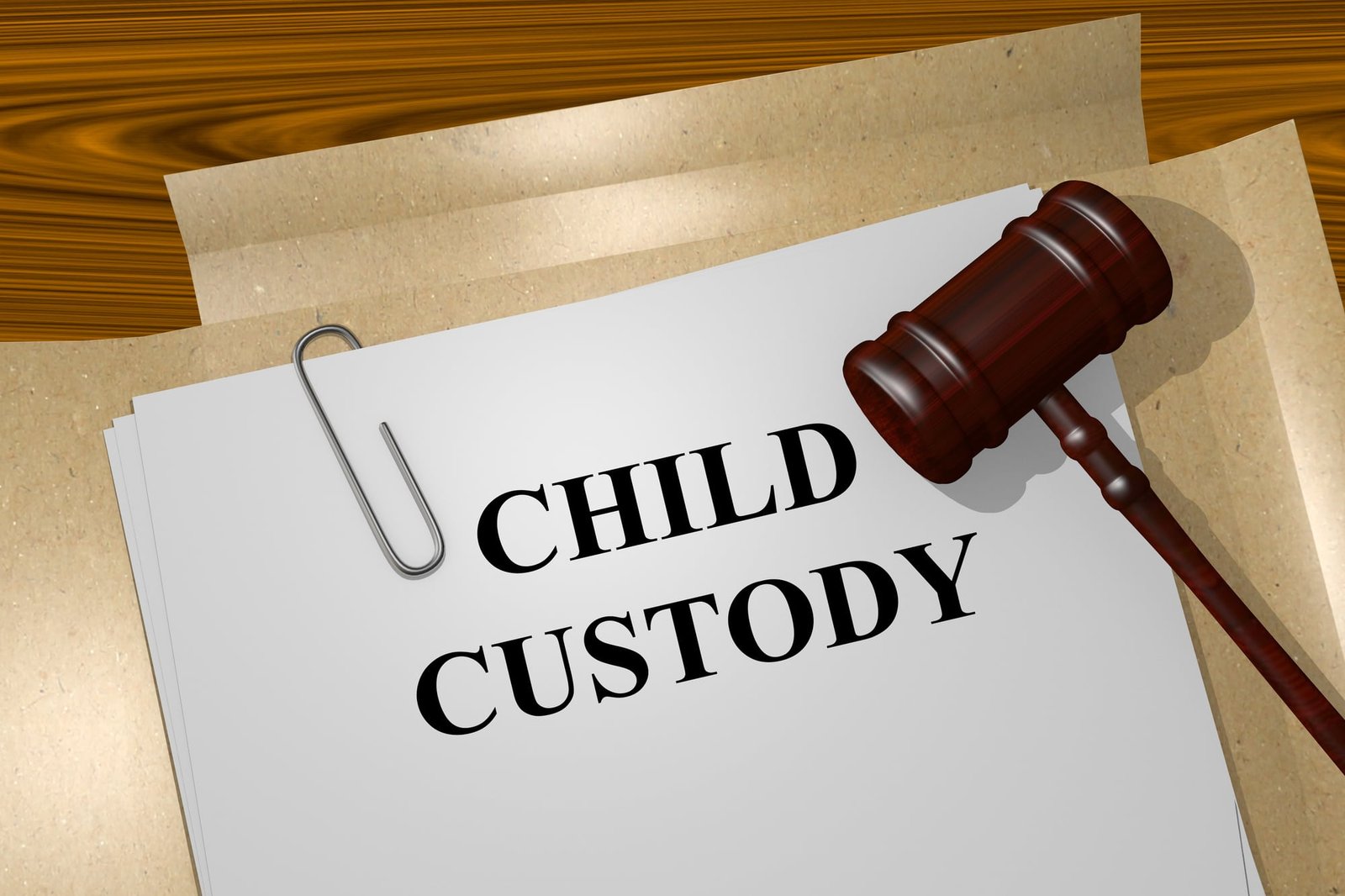
“Custody Battles: Balancing Love, Law, and the Best Interests of the Child”

BlogJune 23, 2025
“Custody Battles: Balancing Love, Law, and the Best Interests of the Child”

Child custody disputes are among the most emotionally charged and legally complex aspects of family law. In India, where family bonds and traditions carry immense weight, custody battles often become more than legal proceedings—they become personal reckonings. At the heart of every such case lies a delicate balance: the child’s welfare, the parents’ rights, and the legal framework that must align them both.

Understanding Custody in Indian Law

Child custody refers to the legal right given to a parent or guardian to make decisions for a child and care for them after a separation or divorce. In India, custody laws are governed by both secular and personal laws:

  • Hindu Minority and Guardianship Act, 1956 (for Hindus)

  • Guardian and Wards Act, 1890 (a secular law applicable in general)

  • Muslim, Christian, and Parsi personal laws provide their own frameworks but are often supplemented by the secular Act in court proceedings.

Indian courts are guided by a singular principle: “the best interests and welfare of the child.”

Types of Custody

  1. Physical Custody: The child resides with one parent, but the other parent has visitation rights.

  2. Joint Custody: Both parents share custody and responsibility, often with the child alternating between their homes.

  3. Legal Custody: The right to make decisions about the child’s upbringing, education, and healthcare—sometimes shared even if physical custody isn’t.

  4. Third-party Custody: In rare cases, if both parents are deemed unfit, custody may be given to a relative or guardian.

Factors Considered by Courts

When deciding custody, courts weigh several factors:

  • Age and gender of the child

  • Emotional, educational, and medical needs

  • Parent’s ability to provide stability and support

  • Child’s own preference (especially if above age 9 or 10)

  • History of abuse, neglect, or addiction

  • The environment each parent can offer

The focus is not on the conflict between parents, but on what will help the child grow in a safe, nurturing, and emotionally balanced environment.

The Emotional and Legal Struggle

For many parents, the fight for custody is not just about legal rights—it’s about identity, love, and guilt. Unfortunately, children can become silent casualties in these battles, caught between warring adults. Some common challenges include:

  • Alienation of the child against the other parent

  • False allegations to gain legal advantage

  • Long legal delays, which prolong instability for the child

  • Denial of visitation or poor compliance with court orders

Family courts are increasingly recognizing the psychological toll of such conflicts and are turning toward counseling, mediation, and joint parenting plans as alternatives to prolonged litigation.

Progressive Legal Trends

India’s family courts have shown a growing sensitivity to changing family dynamics:

  • Joint custody is gaining traction, especially in urban areas.

  • Courts are becoming more gender-neutral; custody is no longer automatically granted to mothers.

  • Virtual visitation rights are now often granted to non-custodial parents in tech-savvy households.

  • Judges increasingly rely on child counselors and family therapists to help assess the child’s emotional needs.

Conclusion

Custody battles may begin in courtrooms, but their impact lasts for years in the minds of children. The true victory lies not in who “wins” custody, but in how both parents rise above personal conflict to prioritize the child’s future. Balancing love and law is not easy—but when guided by empathy, maturity, and judicial wisdom, it becomes possible to protect what truly matters: the well-being of the child.


Share:
#BestInterestsoftheChild #ChildCustodyinIndia #FamilyCourtCustodyLaws #JointvsSoleCustody #ParentalRightsandResponsibilities

Related Posts

Property Law in India: Understanding Legal Rights, Ownership, and Property Disputes
BlogMay 21, 2026

Property Law in India: Understanding Legal Rights, Ownership, and Property Disputes

Dowry Death in India: Legal Provisions, Causes, Punishment, and Victim Rights
BlogMay 20, 2026

Dowry Death in India: Legal Provisions, Causes, Punishment, and Victim Rights

"Justice for the Innocent: The Silent Strength of POCSO" Previous Post
Next Post "Innocence Protected: Understanding the Power of POCSO"

Post your Comment

Categories

  • Blog
  • Business
  • Law
  • Marketing
  • Office

Our Latest Updates

Property Law in India: Understanding Legal Rights, Ownership, and Property Disputes
May 21, 2026
Dowry Death in India: Legal Provisions, Causes, Punishment, and Victim Rights
May 20, 2026
Domestic Violence: Legal Rights, Protection, and Remedies in India
May 19, 2026
Company Law: Legal Foundation for Business Growth and Compliance
May 18, 2026

Our Gallery

  • Property Law in India: Understanding Legal Rights, Ownership, and Property Disputes
  • Dowry Death in India: Legal Provisions, Causes, Punishment, and Victim Rights
  • Domestic Violence: Legal Rights, Protection, and Remedies in India
  • Company Law: Legal Foundation for Business Growth and Compliance
  • Family Law in India: Protecting Rights, Relationships, and Legal Security
  • Business Taxation: Building Financial Compliance and Sustainable Growth
Practice Area
Practice Area
Meet Our Attorneys
Meet Our Attorneys
Contact us
Contact us

MAK Legal Logo

Get In Touch

Caspiar

A-13, First Floor, Alankrit CGHS, Plot No A-1, Karkardooma Rd, Vishwas Nagar, Anand Vihar, Delhi, 110032

Caspiar

+91-7879031815

Caspiar

mohitchugh16@gmail.com

Practice Areas

  • Criminal Law
  • Matrimonial Law
  • Civil Law
  • Bail Law
  • Consumer Protection Law
  • Cyber Crime Law

Quick Links

  • Home
  • About Us
  • Practice Area
  • Our Team
  • Contact Us
Copyright © 2026 | MAK Legal | All Rights Reserved | Designed & Developed by - G Optimizers