
Vishwas Nagar, Anand Vihar,
Delhi, 110032+91 78790 31815
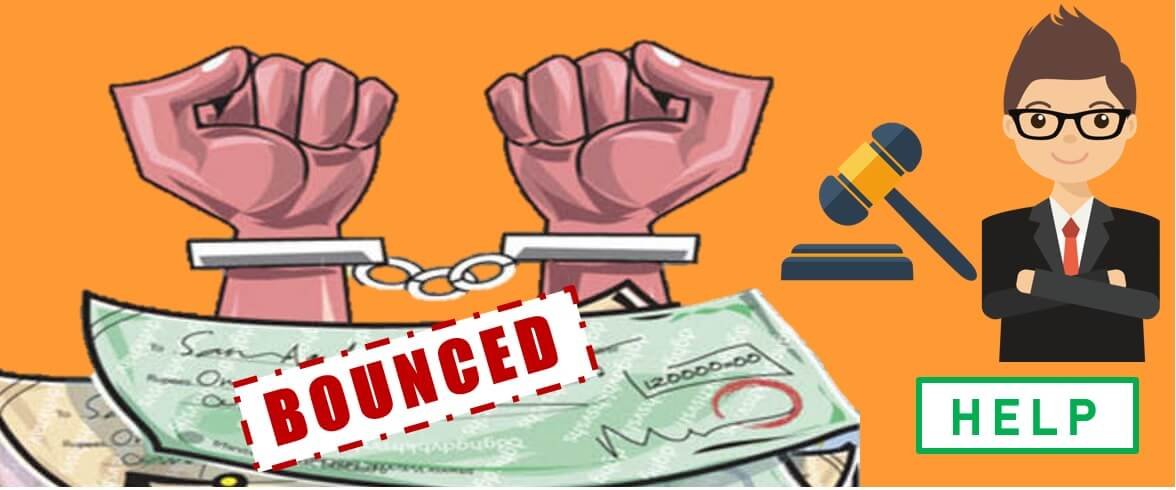
Cheque bounce, also known as dishonour of cheque, is a common financial and legal issue in India that can lead to serious consequences if not handled properly. Governed under Section 138 of the Negotiable Instruments Act, 1881, cheque bounce cases are considered criminal offences and can result in penalties, fines, or even imprisonment. Understanding the legal process, rights, and remedies is essential for both individuals and businesses.
What is Cheque Bounce?
A cheque bounce occurs when a bank refuses to process a cheque due to insufficient funds or other valid reasons. When the payee deposits the cheque and it is returned unpaid by the bank, it is called cheque dishonour.
Common reasons for cheque bounce include:
- Insufficient funds in the account
- Signature mismatch
- Overwriting or incorrect details
- Expired cheque (validity usually 3 months)
- Account closed or blocked
- Payment stopped by the drawer
Among these, insufficient funds is the most common reason and is legally actionable.
Legal Provision for Cheque Bounce
Cheque bounce cases in India are governed under Section 138 of the Negotiable Instruments Act, 1881. This section makes cheque dishonour due to insufficient funds a criminal offence, provided certain conditions are met.
To initiate legal action, the following conditions must be satisfied:
- The cheque must be presented within its validity period
- The cheque must be returned unpaid by the bank
- A legal notice must be sent to the drawer within 30 days of dishonour
- The drawer fails to make payment within 15 days of receiving the notice
If all conditions are fulfilled, a complaint can be filed in court within 30 days after the notice period expires.
Step-by-Step Legal Process
1. Cheque Dishonour
The payee deposits the cheque, and the bank returns it with a return memo stating the reason for dishonour.
2. Sending Legal Notice
The payee must send a legal notice to the drawer within 30 days of receiving the cheque return memo. This notice demands payment of the cheque amount within 15 days.
3. Waiting Period
The drawer has 15 days to make the payment after receiving the notice.
4. Filing a Complaint
If the drawer fails to pay within 15 days, the payee can file a criminal complaint in the appropriate court within the next 30 days.
5. Court Proceedings
The court examines the complaint, issues summons, and conducts trial proceedings. Evidence is presented by both parties before a judgment is passed.
Punishment for Cheque Bounce
If the court finds the drawer guilty, the following penalties may apply:
- Imprisonment up to 2 years
- Fine up to twice the cheque amount
- Or both imprisonment and fine
The court may also order compensation to the complainant.
Civil vs Criminal Liability
Cheque bounce cases involve both civil and criminal liability. While Section 138 deals with criminal punishment, the payee can also file a civil suit to recover the cheque amount along with interest and damages.
This dual remedy strengthens the position of the payee and increases the chances of recovery.
Defenses Available to the Drawer
The drawer (issuer of the cheque) can defend themselves in court under certain circumstances, such as:
- No legally enforceable debt existed
- Cheque was issued as security, not for payment
- Payment was already made
- Notice was not properly served
- Signature was forged
Proper documentation and legal representation are crucial to establish these defenses.
Importance of Legal Notice
The legal notice is a mandatory step in cheque bounce cases. Without sending a proper notice within the specified time, the complaint may be dismissed.
A valid legal notice should include:
- Details of the cheque
- Reason for dishonour
- Demand for payment
- Time limit for payment (15 days)
Sending the notice through a lawyer ensures compliance with legal requirements.
Jurisdiction of Court
The jurisdiction for filing cheque bounce cases is usually based on:
- The location where the cheque was presented
- The bank branch of the payee
- Place where the notice was sent
Recent legal amendments have simplified jurisdiction rules to make it easier for the payee to file cases.
Impact on Credit Score and Reputation
Cheque bounce cases can severely affect an individual’s financial credibility and reputation. It may lead to:
- Negative impact on credit score
- Difficulty in obtaining loans
- Legal complications
- Loss of business trust
For businesses, repeated cheque bounces can damage brand image and client relationships.
Tips to Avoid Cheque Bounce
To prevent cheque bounce issues, consider the following:
- Maintain sufficient bank balance
- Double-check cheque details before issuing
- Avoid post-dated cheques without funds planning
- Keep track of issued cheques
- Use digital payment methods when possible
For payees:
- Verify the credibility of the issuer
- Deposit cheques promptly
- Maintain proper records
Alternative Dispute Resolution
Instead of going through lengthy court procedures, parties can opt for:
- Mediation
- Arbitration
- Settlement outside court
These methods save time, reduce legal costs, and help maintain business relationships.
Recent Developments in Cheque Bounce Law
The Indian government and judiciary have taken steps to streamline cheque bounce cases due to the large number of pending cases. Measures include:
- Fast-track courts
- Digital case management
- Encouraging online dispute resolution
These reforms aim to ensure faster justice and reduce legal burden.
Conclusion
Cheque bounce is not just a financial issue but a serious legal offence in India. Understanding the legal framework, timelines, and procedures is essential to protect your rights and avoid penalties. Whether you are issuing or receiving a cheque, being cautious and informed can save you from legal trouble.
Timely action, proper documentation, and legal guidance play a key role in resolving cheque bounce disputes effectively. In today’s fast-paced financial environment, adopting secure and reliable payment methods can further minimize risks associated with cheque transactions.