
Vishwas Nagar, Anand Vihar,
Delhi, 110032+91 78790 31815
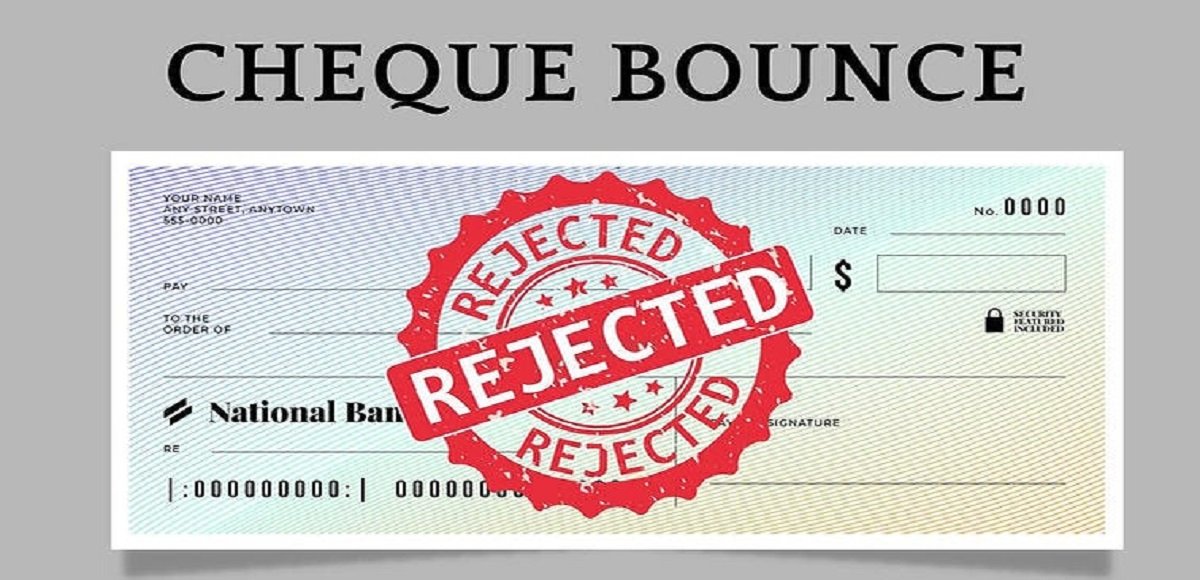
Cheque bounce cases, also known as dishonored cheques, are a common financial and legal issue in India. They arise when a cheque issued by an account holder is returned unpaid by the bank due to various reasons. These cases are governed by Section 138 of the Negotiable Instruments Act, 1881.
What is a Cheque Bounce?
A cheque is said to have “bounced” when a bank refuses to honor it. This can occur for several reasons, leading to financial loss and legal consequences for the drawer (the person who issued the cheque).
Common Reasons for Cheque Bounce
- Insufficient Funds:
- The account does not have enough balance to cover the cheque amount.
- Signature Mismatch:
- The drawer’s signature does not match the specimen signature with the bank.
- Stale Cheque:
- The cheque is presented after its validity period (usually 3 months from the date of issuance).
- Account Closure:
- The cheque is drawn on a closed bank account.
- Alterations on the Cheque:
- Unauthorized modifications or overwriting.
- Stop Payment Instructions:
- The drawer instructs the bank to stop payment for the cheque.
- Technical Errors:
- Issues like overwriting, illegible handwriting, or incorrect date format.
Legal Framework for Cheque Bounce Cases
Section 138 of the Negotiable Instruments Act, 1881
This section criminalizes the act of issuing a cheque that is dishonored due to insufficient funds or other specified reasons.
- Conditions to Invoke Section 138:
- The cheque was issued for the discharge of a legally enforceable debt or liability.
- The cheque is presented within its validity period.
- The payee sends a written demand notice to the drawer within 30 days of cheque dishonor.
- Penalty:
- Fine up to twice the cheque amount.
- Imprisonment up to 2 years, or both.
Procedure to File a Cheque Bounce Case
- Cheque Presentation:
- Present the cheque to the bank for clearance.
- Notice to Drawer:
- If the cheque bounces, send a legal demand notice to the drawer within 30 days of dishonor.
- The notice must demand payment of the cheque amount within 15 days.
- Filing a Complaint:
- If the drawer fails to pay within 15 days, file a complaint in the magistrate court within 30 days.
- Submit the original cheque, dishonor memo, and copy of the demand notice as evidence.
- Court Proceedings:
- The court will summon the accused to appear and present their defense.
Defenses Available to the Drawer
The drawer may claim:
- The cheque was issued as a gift or for a loan without enforceable liability.
- The cheque was stolen or misused.
- There was a procedural lapse, such as delay in sending the notice.
Recent Legal Updates and Judgments
- Decriminalization Proposal:
- The government has considered decriminalizing cheque bounce cases to ease the burden on courts, but this has been met with mixed reactions.
- Supreme Court on Interim Compensation:
- Courts can direct the accused to pay interim compensation to the complainant during the pendency of the case.
- Jurisdiction:
- The case must be filed in the court where the bank of the payee (complainant) is located.
Preventive Measures to Avoid Cheque Bounce
- Maintain Sufficient Balance:
- Ensure adequate funds are available before issuing cheques.
- Update Bank Records:
- Keep your signature and personal details up to date with the bank.
- Avoid Post-Dated Cheques:
- Issue cheques only when you are certain of sufficient funds on the specified date.
- Communicate with the Payee:
- Resolve disputes amicably to avoid legal proceedings.
Impact of Cheque Bounce
- Financial Consequences:
- Penalty charges by banks for both the drawer and payee.
- Payment delays affecting business operations.
- Legal Consequences:
- Risk of criminal prosecution under Section 138.
- Reputation Damage:
- Harm to personal and professional relationships.
Conclusion
Cheque bounce cases can lead to significant legal and financial repercussions. Both drawers and payees must be vigilant in ensuring proper financial practices. Staying informed about the legal framework and taking preventive measures can help avoid the complications associated with cheque dishonor.