We Have Over 10+ Years of Experiences
Mak legal
A-13, Alankrit CGHS,
Vishwas Nagar, Anand Vihar,
Delhi, 110032
+91 78790 31815
Our Office Hours: Mon - Sat09.00am - 05.00pm
  • Home
  • About Us
  • Practice Areas
    • Matrimonial Cases
      • Divorce
      • Dowry Matters
      • Dowry and Death matters
      • Domestic Violence
      • Child Custody Maintenance
      • Counseling & Mediation Support
      • Maintenance / Alimony
      • Mutual Consent Divorce
      • NRI Matrimonial Disputes
      • Property Possession & Tittle Disputes
      • Restitution of Conjugal (RCR)
      • Separation & Matrimonial Confticts
    • Criminal Cases
      • Anticipatory Bail Law
      • Bail Law
      • Cheque Bounce
      • Criminal Proceedings in 498A Cases
      • Live-in-Relationship
      • Molestation Cases
      • Rape Matters
      • Rape/ Promise to marry
      • Attempt to murder
    • Civil Cases
      • Declaration Suits
      • Live-in Relationship Disputes (civil Remedies)
      • Propetry Matters & Propetry Registration
      • Landlord-Tenant & Tenancy Disputes
    • Property Matter
      • Delayed in Possession
      • Encroachment
    • Company Matter
      • NCLAT
      • NCLT
    • Banking Matter
      • DRAT
      • DRT
      • Defence to Recovery Proceedings by Banks
      • Symbolic Possession ,Safe Guard
      • Securitization application
      • Mortgage and Loan Credit Disputes
      • SARFAESI Recovery
    • Consumer Protection Cases
      • NCDRC
      • SCDRC
      • DCRDC
    • Arbitration & Mediation
      • Domestic Arbitration
      • International Commerical Arbitration
    • Municipal Corporation of Delhi
    • Labour / Employment Cases
    • Cyber Crime
    • White Collar Crime
    • Legal Plateform and Documents for Startups
    • Draft Contracts for Startups
    • Agreements for E-commerence Bussinesses
  • Blog
  • Contact Us
  • Team

“Beyond the Bounce: Legal Remedies for Cheque Dishonour”

BlogApril 23, 2025
“Beyond the Bounce: Legal Remedies for Cheque Dishonour”

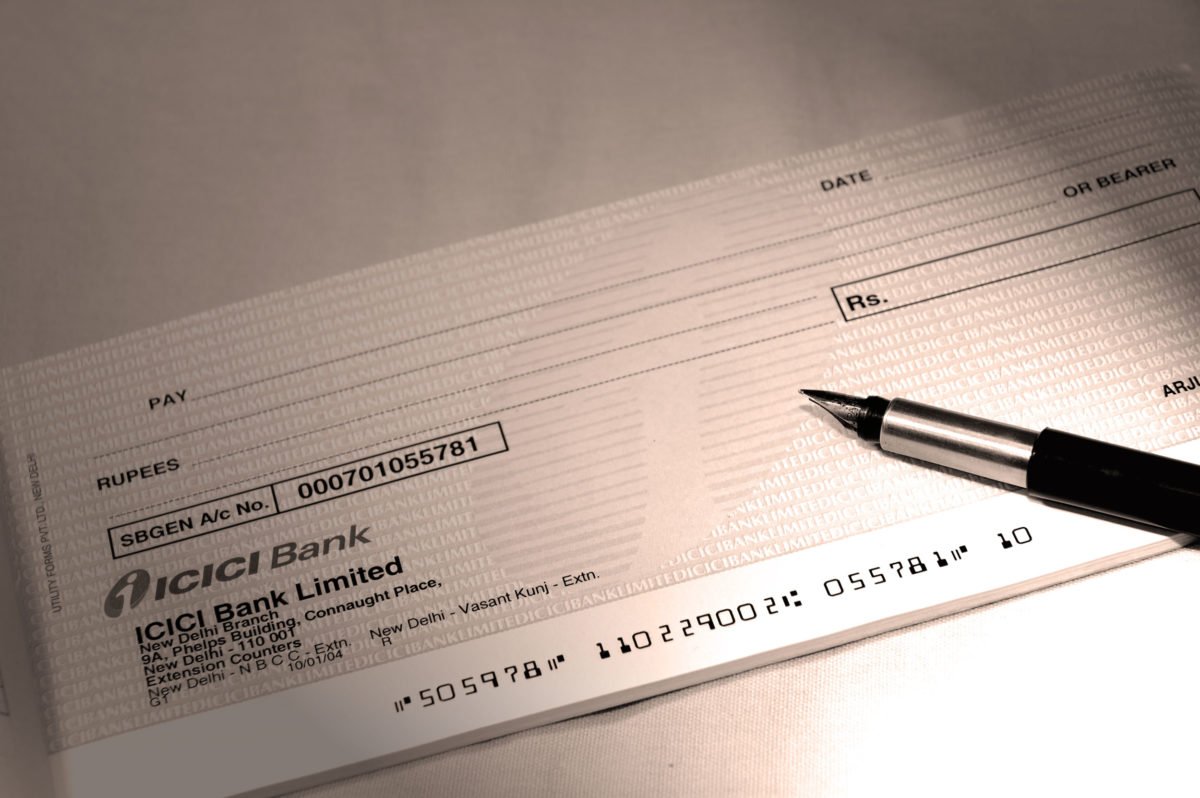
A cheque bounce is a common occurrence in the world of finance, yet it can lead to significant legal and financial consequences. Whether it’s due to insufficient funds, a technical error, or deliberate fraud, a bounced cheque can disrupt businesses, individuals, and contractual agreements. Understanding the legal remedies available is crucial for both payees and drawers to protect their interests.

What is a Cheque Bounce?

A cheque bounce occurs when a bank refuses to honour a cheque presented for payment. The reasons for dishonouring a cheque can vary, but the most common include:

  • Insufficient funds in the issuer’s account.

  • Inaccurate or incomplete information on the cheque.

  • Closed or frozen accounts.

  • Mismatch of signatures.

While a bounced cheque may seem like a minor inconvenience, it can escalate into a serious issue, especially if the payee decides to pursue legal action.

Legal Framework in India: The Negotiable Instruments Act

In India, the Negotiable Instruments Act, 1881 governs the rules around cheques and the legal consequences of dishonouring them. Section 138 of the Act specifically deals with the offence of cheque dishonour. Under this section, a person who issues a dishonoured cheque can be held criminally liable and subject to penal action.

Steps to Take After a Cheque Bounces

  1. Immediate Notification:
    Once a cheque is dishonoured, the payee must inform the drawer (the person who issued the cheque) within 30 days of receiving the notice from the bank.

  2. Demand Notice:
    After receiving the bank’s notification, the payee has the right to issue a demand notice to the drawer, requesting payment within 15 days from the date of receipt.

  3. Filing a Complaint:
    If the drawer fails to make the payment within the stipulated time, the payee can file a criminal complaint under Section 138 of the Negotiable Instruments Act in the relevant court. The penalty for cheque dishonour can include imprisonment up to 2 years and/or a fine up to twice the cheque amount.

Defending a Cheque Bounce Case

If you’re the drawer facing legal action due to a bounced cheque, there are several defenses you may use:

  • Lack of Knowledge: You may claim that the cheque was issued without your knowledge or that it was misused.

  • Insufficient Funds Due to Error: In cases of technical errors like bank system failures or genuine mistakes in account balance calculation, you may seek leniency.

  • Existing Disputes: If the payment is related to a dispute (e.g., a contractual disagreement), the defence may argue that the cheque was issued based on a miscommunication or unmet conditions.

Civil Suit for Recovery of Money

In addition to the criminal remedy under the Negotiable Instruments Act, the payee can also pursue a civil suit for the recovery of the outstanding amount, including interest and costs related to the dishonoured cheque.

Precautionary Measures

  • Confirm Funds: Always ensure that the account from which you issue a cheque has sufficient balance.

  • Issue Post-Dated Cheques Carefully: Avoid issuing cheques for amounts or dates you cannot fulfill.

  • Clear Communication: Both parties should ensure clear and precise communication about the cheque and its purpose to avoid future disputes.

Conclusion

While a cheque bounce may initially appear to be a minor setback, it can quickly escalate into a legal nightmare for the drawer if not handled promptly. It’s vital to understand the legal implications under the Negotiable Instruments Act and take quick action to safeguard your rights. For both payees and drawers, consulting with an experienced legal professional is crucial to navigate the complexities of cheque bounce cases.


Share:
#ChequeBounceCaseIndia #ChequeDishonourLegalRemedy #Legal ActionforBouncedCheque #NegotiableInstrumentsAct #Section138NIAct

Related Posts

Property Law in India: Understanding Legal Rights, Ownership, and Property Disputes
BlogMay 21, 2026

Property Law in India: Understanding Legal Rights, Ownership, and Property Disputes

Dowry Death in India: Legal Provisions, Causes, Punishment, and Victim Rights
BlogMay 20, 2026

Dowry Death in India: Legal Provisions, Causes, Punishment, and Victim Rights

"From Screens to Scams: Understanding Cybercrime Today" Previous Post
Next Post "Hackproof: Legal Insights Into Cybercrime and Protection"

Post your Comment

Categories

  • Blog
  • Business
  • Law
  • Marketing
  • Office

Our Latest Updates

Property Law in India: Understanding Legal Rights, Ownership, and Property Disputes
May 21, 2026
Dowry Death in India: Legal Provisions, Causes, Punishment, and Victim Rights
May 20, 2026
Domestic Violence: Legal Rights, Protection, and Remedies in India
May 19, 2026
Company Law: Legal Foundation for Business Growth and Compliance
May 18, 2026

Our Gallery

  • Property Law in India: Understanding Legal Rights, Ownership, and Property Disputes
  • Dowry Death in India: Legal Provisions, Causes, Punishment, and Victim Rights
  • Domestic Violence: Legal Rights, Protection, and Remedies in India
  • Company Law: Legal Foundation for Business Growth and Compliance
  • Family Law in India: Protecting Rights, Relationships, and Legal Security
  • Business Taxation: Building Financial Compliance and Sustainable Growth
Practice Area
Practice Area
Meet Our Attorneys
Meet Our Attorneys
Contact us
Contact us

MAK Legal Logo

Get In Touch

Caspiar

A-13, First Floor, Alankrit CGHS, Plot No A-1, Karkardooma Rd, Vishwas Nagar, Anand Vihar, Delhi, 110032

Caspiar

+91-7879031815

Caspiar

mohitchugh16@gmail.com

Practice Areas

  • Criminal Law
  • Matrimonial Law
  • Civil Law
  • Bail Law
  • Consumer Protection Law
  • Cyber Crime Law

Quick Links

  • Home
  • About Us
  • Practice Area
  • Our Team
  • Contact Us
Copyright © 2026 | MAK Legal | All Rights Reserved | Designed & Developed by - G Optimizers