
Vishwas Nagar, Anand Vihar,
Delhi, 110032+91 78790 31815
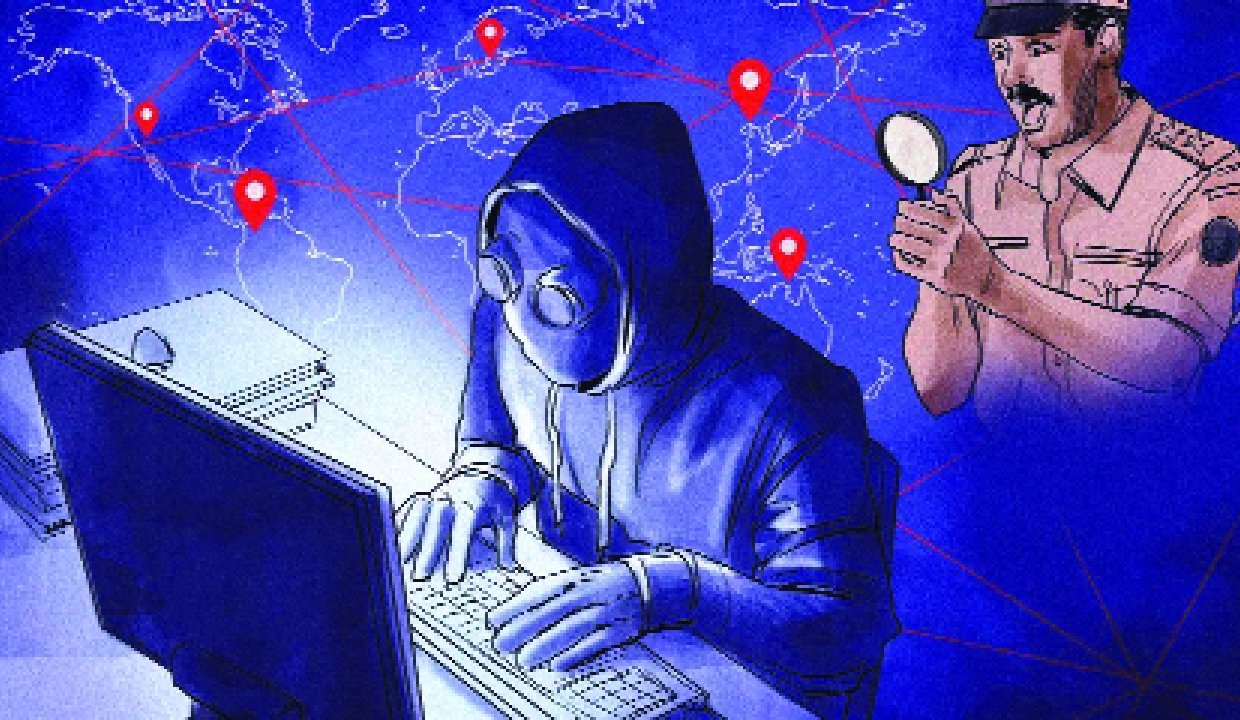
In today’s digital world, the internet has become an essential part of our daily lives. From online banking to social media and e-commerce, everything is just a click away. However, with this convenience comes a growing threat—cyber crime. Cyber crime refers to illegal activities carried out using computers, digital devices, or the internet. As technology evolves, cyber criminals are also becoming more sophisticated, making it important for individuals and businesses to stay informed and protected.
What is Cyber Crime?
Cyber crime is any criminal activity that involves a computer, network, or digital system. These crimes are usually committed to steal sensitive information, gain financial benefits, or damage reputations. Cyber criminals use various techniques such as hacking, phishing, malware attacks, and identity theft to exploit victims.
In India, cyber crimes are primarily governed by the Information Technology (IT) Act, 2000, along with relevant sections of the Indian Penal Code (IPC). With the rise in digital adoption, cyber crime cases have seen a significant increase, making awareness more important than ever.
Types of Cyber Crime
Cyber crime can take many forms, depending on the intention and method used by the criminal. Some of the most common types include:
1. Phishing Attacks
Phishing is one of the most widespread cyber crimes. In this method, attackers send fake emails or messages that appear to be from trusted sources such as banks or companies. The goal is to trick users into sharing sensitive information like passwords, OTPs, or credit card details.
2. Identity Theft
Identity theft occurs when a criminal steals personal information such as Aadhaar details, PAN numbers, or bank account data to impersonate someone else. This can lead to financial fraud or misuse of personal identity.
3. Online Financial Fraud
This includes scams related to online banking, UPI payments, and credit/debit cards. Fraudsters may create fake websites or apps to steal money from unsuspecting users.
4. Malware Attacks
Malware is malicious software designed to damage or gain unauthorized access to a system. Examples include viruses, ransomware, and spyware. Ransomware attacks, in particular, lock users out of their systems until a ransom is paid.
5. Cyber Stalking and Harassment
Cyber stalking involves using digital platforms to harass or threaten individuals. It is a serious issue, especially affecting women and teenagers, through social media platforms.
6. Hacking
Hacking refers to unauthorized access to computer systems or networks. Hackers may steal data, modify files, or disrupt services for personal or political reasons.
7. Social Media Scams
Fake profiles, fraudulent advertisements, and impersonation scams are common on platforms like Facebook, Instagram, and WhatsApp. These scams often target users emotionally or financially.
Real-Life Examples of Cyber Crime
Understanding real-life scenarios helps in identifying and preventing cyber crime:
- A user receives a fake email claiming to be from a bank asking to update KYC details. After clicking the link and entering credentials, money is withdrawn from their account.
- A person receives a call from someone pretending to be a customer care executive requesting OTP details, leading to unauthorized transactions.
- A business suffers a ransomware attack where all its data is locked, and hackers demand payment to restore access.
Such incidents highlight the importance of vigilance and awareness in the digital space.
Impact of Cyber Crime
Cyber crime can have serious consequences for both individuals and organizations:
- Financial Loss: Victims may lose money through fraud or scams.
- Data Breach: Sensitive personal or business information may be stolen.
- Reputation Damage: Businesses can lose customer trust after a cyber attack.
- Emotional Stress: Victims often experience anxiety and fear after being targeted.
The increasing scale of cyber crime has made cybersecurity a top priority globally.
How to Stay Protected from Cyber Crime
Prevention is always better than cure. Here are some practical tips to protect yourself:
1. Use Strong Passwords
Create complex passwords with a mix of letters, numbers, and special characters. Avoid using the same password across multiple accounts.
2. Enable Two-Factor Authentication (2FA)
Adding an extra layer of security helps prevent unauthorized access even if your password is compromised.
3. Avoid Clicking on Suspicious Links
Do not click on unknown links received via email, SMS, or social media. Always verify the source before taking any action.
4. Keep Software Updated
Regularly update your operating system, apps, and antivirus software to protect against vulnerabilities.
5. Be Careful with Public Wi-Fi
Avoid accessing sensitive information like banking details on public Wi-Fi networks, as they are often insecure.
6. Verify Before Sharing Information
Never share OTPs, passwords, or personal details with anyone, even if they claim to be from a trusted organization.
7. Install Reliable Security Software
Use trusted antivirus and anti-malware programs to protect your devices from threats.
8. Monitor Your Bank Statements
Regularly check your financial transactions to detect any unauthorized activity early.
Legal Remedies for Cyber Crime in India
If you become a victim of cyber crime in India, you can take the following steps:
- Report the incident on the National Cyber Crime Reporting Portal (www.cybercrime.gov.in)
- Lodge an FIR at your nearest cyber crime police station
- Contact your bank immediately in case of financial fraud
- Preserve evidence such as screenshots, emails, and transaction details
The IT Act, 2000, along with IPC provisions, provides legal protection and penalties for cyber criminals. Prompt reporting increases the chances of recovery and legal action.
Conclusion
Cyber crime is a growing threat in the digital age, affecting millions of people worldwide. Understanding its types, real-life examples, and preventive measures is crucial to staying safe online. While governments and organizations are working to strengthen cybersecurity laws and systems, individual awareness remains the first line of defense.
By following basic safety practices and staying informed, you can significantly reduce the risk of becoming a victim of cyber crime. Remember, a small step in digital awareness can save you from major losses.