
Vishwas Nagar, Anand Vihar,
Delhi, 110032+91 78790 31815
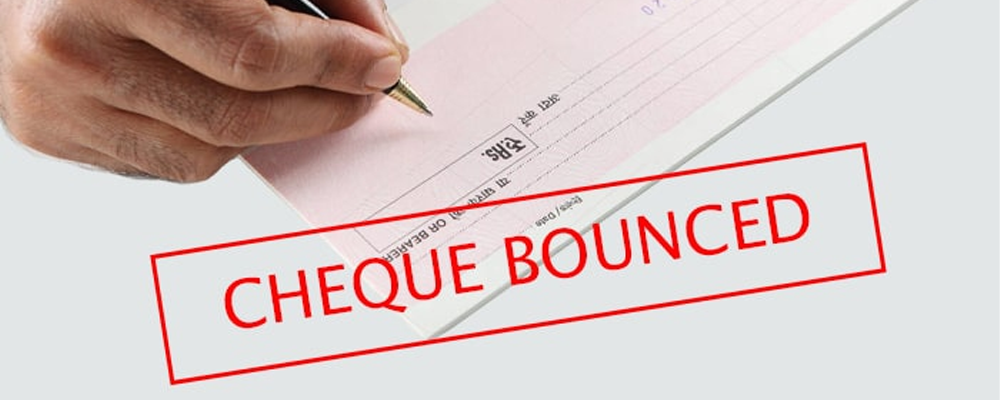
A cheque is considered one of the most trusted methods of financial transactions. But when a cheque bounces, it not only disrupts the payment process—it can also lead to serious legal consequences. Understanding why cheques bounce, what the law says, and how you can protect your rights is essential for both payees and drawers.
What is a Cheque Bounce?
A cheque bounce occurs when a bank refuses to honour the cheque presented for payment. This dishonour can happen for several reasons, but the result is the same: the cheque amount is not transferred to the payee.
Common Reasons for Cheque Dishonour
-
Insufficient funds in the account
-
Signature mismatch
-
Overwriting or incorrect details
-
Stop payment instructions issued by the drawer
-
Expired or damaged cheque
Among these, the most serious is insufficient funds, which directly triggers legal action under Section 138 of the Negotiable Instruments Act, 1881.
Legal Consequences Under Section 138
Section 138 makes cheque bounce a criminal offence when it happens due to insufficient funds or if the amount exceeds the arrangement with the bank.
Penalties May Include:
-
Imprisonment up to 2 years
-
Fine up to twice the cheque amount
-
Compensation awarded to the payee
To take action, the payee must follow a proper legal procedure.
Step-by-Step Legal Process in Cheque Bounce Cases
1. Receiving Bank Memo
When the cheque bounces, the bank issues a return memo stating the reason.
2. Legal Demand Notice
The payee must send a written legal notice to the drawer within 30 days, demanding payment.
3. Waiting Period
The drawer gets 15 days to make the payment after receiving the notice.
4. Filing Complaint
If payment is not made, the payee can file a complaint in the appropriate court within 30 days after the 15-day period expires.
Defenses Available to the Drawer
The drawer of the cheque may defend themselves by proving:
-
The cheque was issued as a security, not for payment
-
There was no legally enforceable debt
-
The signature was forged or obtained through fraud
-
The notice was not served properly
A skilled lawyer can help present these defenses effectively.
How a Lawyer Helps in Cheque Bounce Matters
Engaging an experienced cheque bounce lawyer can make the legal process smoother:
-
Drafting and sending legally valid notices
-
Filing complaints under Section 138
-
Representing you in court
-
Negotiating settlements
-
Protecting your financial interests
Timely action strengthens your case and improves the chances of recovery.
Preventing Cheque Bounce Issues
To avoid legal complications, both parties should follow best practices:
For Drawers
-
Maintain sufficient funds
-
Avoid issuing cheques as casual assurance
-
Ensure correct signatures and details
-
Keep track of post-dated cheques
For Payees
-
Verify cheque details before accepting
-
Present cheques within the validity period
-
Act promptly if the cheque is dishonoured
Conclusion
Cheque bounce cases can be financially stressful, but the law provides strong remedies to protect your rights. Understanding Section 138, knowing the legal steps, and seeking professional guidance can help you recover dues efficiently and avoid prolonged disputes. Whether you are the payee or the drawer, being informed empowers you to handle cheque dishonour matters with confidence and clarity.