
Vishwas Nagar, Anand Vihar,
Delhi, 110032+91 78790 31815
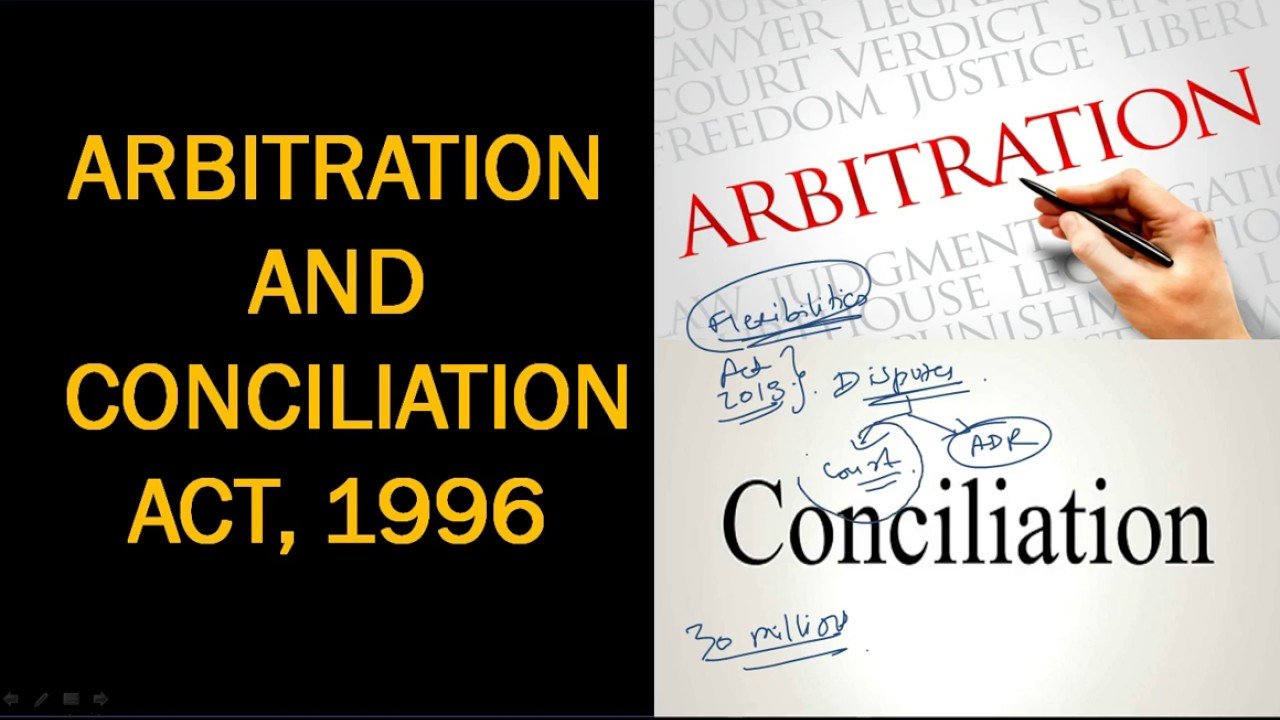
Disputes are an inevitable part of business, commerce, and even personal relationships. Traditionally, courts have been the primary avenue for resolving conflicts, but litigation often comes with high costs, long timelines, and adversarial outcomes. In response, Alternative Dispute Resolution (ADR) mechanisms such as arbitration and conciliation have emerged as effective alternatives. These processes not only protect the rights of parties involved but also aim to deliver resolutions that are faster, flexible, and less confrontational.
Understanding Arbitration
Arbitration is a private dispute resolution process where parties agree to submit their conflict to an independent arbitrator (or panel of arbitrators) instead of a court.
-
The arbitrator acts like a private judge, delivering a binding decision (known as an award).
-
Arbitration is widely used in commercial disputes, cross-border trade, construction contracts, and corporate matters.
-
It is recognized under the Arbitration and Conciliation Act, 1996 in India, which aligns with international standards.
Key Advantages of Arbitration:
-
Speedier resolution compared to court litigation.
-
Confidentiality of proceedings.
-
Flexibility in selecting arbitrators with subject-matter expertise.
-
Binding nature of awards, enforceable like court decrees.
Understanding Conciliation
Conciliation is a more informal process where a neutral third party, known as the conciliator, helps disputing parties reach a voluntary settlement.
-
Unlike an arbitrator, a conciliator does not impose a decision but facilitates dialogue and negotiation.
-
The outcome is a mutual settlement agreement, which, if signed, has the same effect as an arbitral award.
Key Advantages of Conciliation:
-
Non-adversarial and cooperative approach.
-
Preserves business and personal relationships.
-
More cost-effective than arbitration and litigation.
-
Gives parties control over the final outcome.
Balancing Rights with Resolution
Both arbitration and conciliation ensure that the rights of parties are respected while promoting resolution in a less hostile environment.
-
Arbitration protects rights through legally binding decisions, offering certainty and enforceability.
-
Conciliation promotes resolution by fostering understanding and collaboration between disputing parties.
This balance makes ADR especially valuable in business, family, and international disputes where maintaining relationships is as important as securing rights.
Conclusion
Arbitration and conciliation represent a shift from traditional adversarial litigation to constructive, efficient, and relationship-oriented dispute resolution. By balancing rights with resolution, they ensure that justice is not only delivered but also accepted in a spirit of cooperation. As India and the global community continue to encourage ADR mechanisms, arbitration and conciliation are becoming the cornerstones of a modern, efficient, and fair justice system.