We Have Over 10+ Years of Experiences
Mak legal
A-13, Alankrit CGHS,
Vishwas Nagar, Anand Vihar,
Delhi, 110032
+91 78790 31815
Our Office Hours: Mon - Sat09.00am - 05.00pm
  • Home
  • About Us
  • Practice Areas
    • Matrimonial Cases
      • Divorce
      • Dowry Matters
      • Dowry and Death matters
      • Domestic Violence
      • Child Custody Maintenance
      • Counseling & Mediation Support
      • Maintenance / Alimony
      • Mutual Consent Divorce
      • NRI Matrimonial Disputes
      • Property Possession & Tittle Disputes
      • Restitution of Conjugal (RCR)
      • Separation & Matrimonial Confticts
    • Criminal Cases
      • Anticipatory Bail Law
      • Bail Law
      • Cheque Bounce
      • Criminal Proceedings in 498A Cases
      • Live-in-Relationship
      • Molestation Cases
      • Rape Matters
      • Rape/ Promise to marry
      • Attempt to murder
    • Civil Cases
      • Declaration Suits
      • Live-in Relationship Disputes (civil Remedies)
      • Propetry Matters & Propetry Registration
      • Landlord-Tenant & Tenancy Disputes
    • Property Matter
      • Delayed in Possession
      • Encroachment
    • Company Matter
      • NCLAT
      • NCLT
    • Banking Matter
      • DRAT
      • DRT
      • Defence to Recovery Proceedings by Banks
      • Symbolic Possession ,Safe Guard
      • Securitization application
      • Mortgage and Loan Credit Disputes
      • SARFAESI Recovery
    • Consumer Protection Cases
      • NCDRC
      • SCDRC
      • DCRDC
    • Arbitration & Mediation
      • Domestic Arbitration
      • International Commerical Arbitration
    • Municipal Corporation of Delhi
    • Labour / Employment Cases
    • Cyber Crime
    • White Collar Crime
    • Legal Plateform and Documents for Startups
    • Draft Contracts for Startups
    • Agreements for E-commerence Bussinesses
  • Blog
  • Contact Us
  • Team

“Bail Explained: Safeguarding Rights, Securing Freedom”

BlogApril 5, 2025
“Bail Explained: Safeguarding Rights, Securing Freedom”

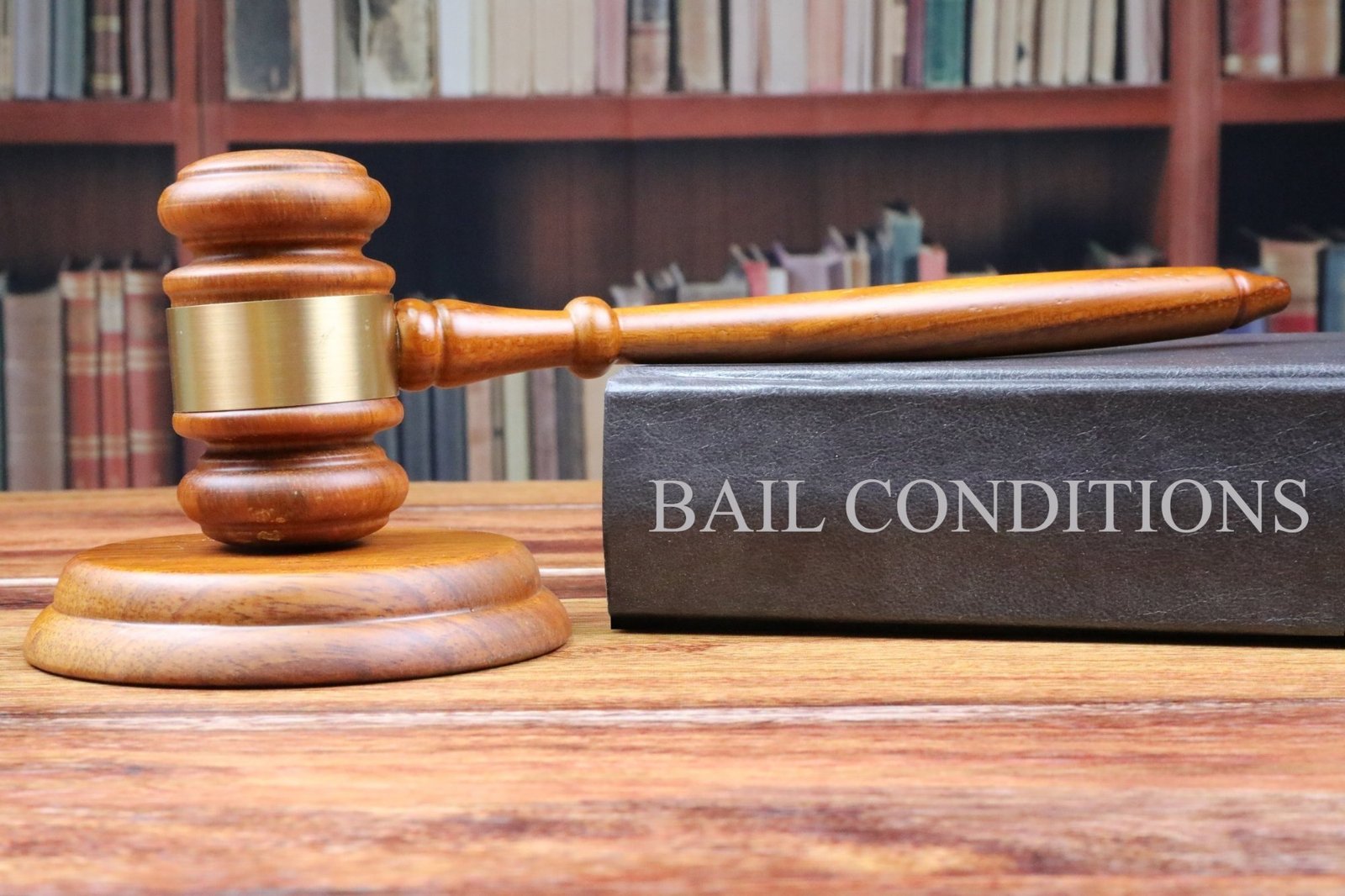
When someone is accused of a crime, their first and most urgent concern is often one word: bail. It is not just a legal procedure—it is a critical protection of personal liberty before a court determines guilt or innocence. Understanding how bail works can empower individuals to take timely legal action and preserve their fundamental rights.


What is Bail?

Bail is a legal mechanism that allows an accused person to be temporarily released from custody while awaiting trial. The court grants bail on the condition that the person will appear for all required legal proceedings. Depending on the nature of the offense, the severity of the charges, and the accused’s background, bail can be granted with or without financial sureties.


Types of Bail in India

  1. Regular Bail – Granted after a person has been arrested. The accused applies to the appropriate court to be released from custody.

  2. Anticipatory Bail – A pre-arrest bail granted under Section 438 of the CrPC to prevent arrest when someone anticipates being charged or falsely implicated in a non-bailable offense.

  3. Interim Bail – Temporary bail granted pending a final decision on the regular or anticipatory bail application.

  4. Default Bail – If the police fail to complete the investigation within a prescribed period (usually 60 or 90 days), the accused is entitled to bail under Section 167(2) of the CrPC.


Bail in Bailable vs. Non-Bailable Offenses

  • Bailable Offenses: The right to bail is guaranteed, and the police or magistrate is obligated to grant it upon proper application.

  • Non-Bailable Offenses: The granting of bail is discretionary. The court examines the facts, nature of the offense, risk of flight, and potential tampering with evidence before making a decision.


Factors Considered by Courts

When deciding on bail, the court considers:

  • The seriousness of the offense

  • The likelihood of the accused absconding

  • Past criminal record (if any)

  • The possibility of influencing witnesses or obstructing justice

  • Health, age, and social background of the accused


Why Bail Matters

The principle behind bail is rooted in the presumption of innocence. Until proven guilty, an accused person has the right to live freely and prepare their defense without the hardship of incarceration. Denying bail without strong justification undermines this core tenet of justice.

Bail also prevents unnecessary burden on the prison system and allows for a more humane approach to the judicial process—especially for undertrial prisoners.


Role of a Legal Professional

Applying for bail requires careful legal strategy. An experienced lawyer ensures:

  • The correct documentation and grounds are presented

  • The application highlights factors favoring release

  • The accused complies with bail conditions to avoid cancellation


Conclusion

Bail is more than a legal relief—it’s a shield that protects individual liberty, upholds the rule of law, and ensures fairness in the justice system. In times of legal crisis, understanding your right to bail can make all the difference between prolonged custody and timely justice.


Share:
#AnticipatoryBail #BailinCriminalLaw #lawfirm #lawfirmindelhi #lawfirmindelhihighcourt #lawyer #lawyerforbailcasesindelhi #LegalRightsoftheAccused #RighttoLiberty #TypesofBailinIndia

Related Posts

Property Law in India: Understanding Legal Rights, Ownership, and Property Disputes
BlogMay 21, 2026

Property Law in India: Understanding Legal Rights, Ownership, and Property Disputes

Dowry Death in India: Legal Provisions, Causes, Punishment, and Victim Rights
BlogMay 20, 2026

Dowry Death in India: Legal Provisions, Causes, Punishment, and Victim Rights

"Cyber Crime Unmasked: Threats, Legal Challenges, and Protection Strategies" Previous Post
Next Post "In the Best Interest: Navigating the Journey of Child Custody"

Post your Comment

Categories

  • Blog
  • Business
  • Law
  • Marketing
  • Office

Our Latest Updates

Property Law in India: Understanding Legal Rights, Ownership, and Property Disputes
May 21, 2026
Dowry Death in India: Legal Provisions, Causes, Punishment, and Victim Rights
May 20, 2026
Domestic Violence: Legal Rights, Protection, and Remedies in India
May 19, 2026
Company Law: Legal Foundation for Business Growth and Compliance
May 18, 2026

Our Gallery

  • Property Law in India: Understanding Legal Rights, Ownership, and Property Disputes
  • Dowry Death in India: Legal Provisions, Causes, Punishment, and Victim Rights
  • Domestic Violence: Legal Rights, Protection, and Remedies in India
  • Company Law: Legal Foundation for Business Growth and Compliance
  • Family Law in India: Protecting Rights, Relationships, and Legal Security
  • Business Taxation: Building Financial Compliance and Sustainable Growth
Practice Area
Practice Area
Meet Our Attorneys
Meet Our Attorneys
Contact us
Contact us

MAK Legal Logo

Get In Touch

Caspiar

A-13, First Floor, Alankrit CGHS, Plot No A-1, Karkardooma Rd, Vishwas Nagar, Anand Vihar, Delhi, 110032

Caspiar

+91-7879031815

Caspiar

mohitchugh16@gmail.com

Practice Areas

  • Criminal Law
  • Matrimonial Law
  • Civil Law
  • Bail Law
  • Consumer Protection Law
  • Cyber Crime Law

Quick Links

  • Home
  • About Us
  • Practice Area
  • Our Team
  • Contact Us
Copyright © 2026 | MAK Legal | All Rights Reserved | Designed & Developed by - G Optimizers